Google Analytics Alternative: Best Tools
Compare the best Google Analytics alternatives: Matomo, Plausible, Piwik PRO, Mixpanel, with the criteria that matter for choosing one.

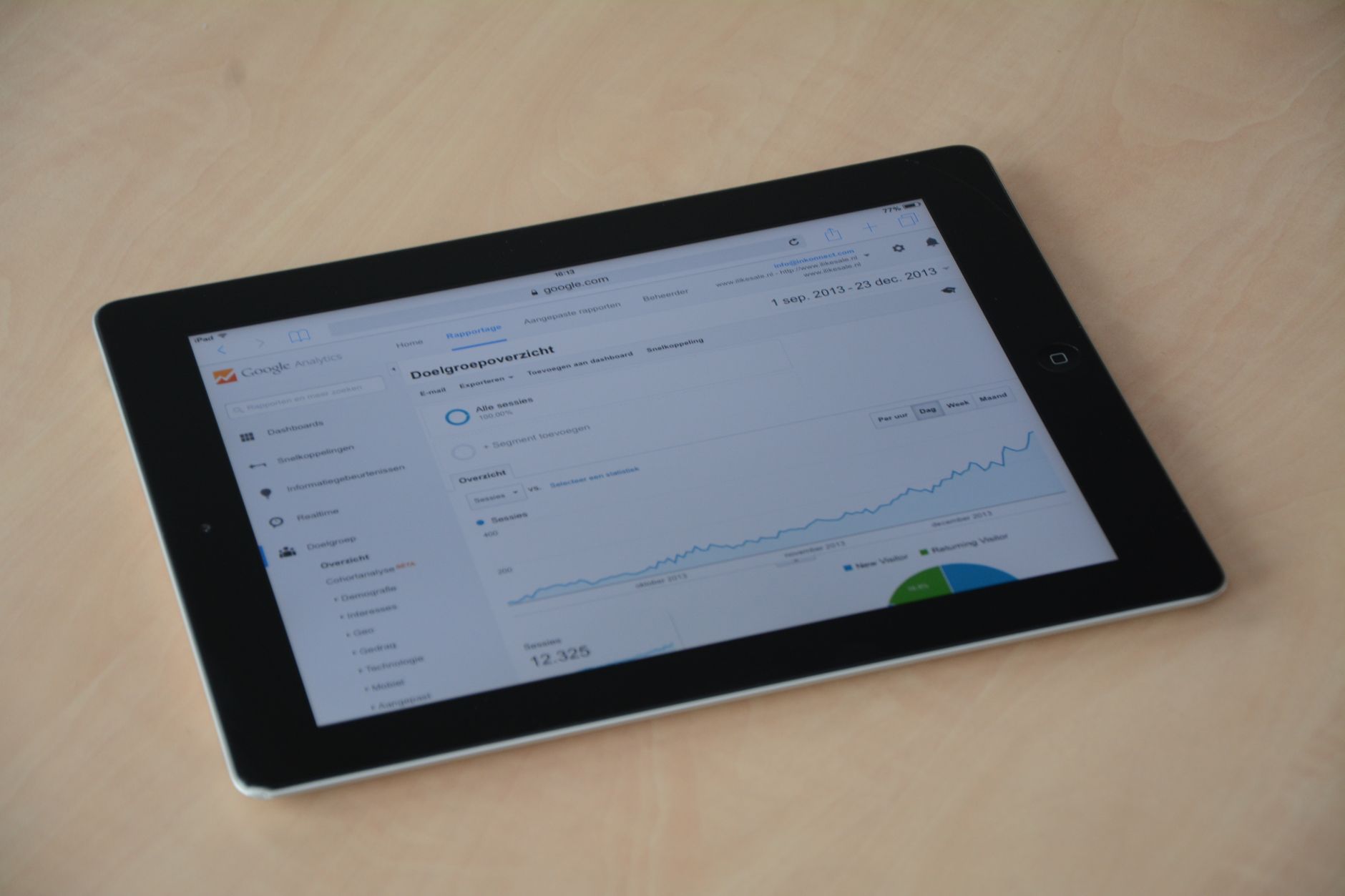
Looking for a Google Analytics alternative rarely starts from a simple wish for change. The closure of Universal Analytics, the complexity of GA4’s event based model, and questions raised by European regulators over data transfers to the United States are pushing a growing number of sites to look at what the market offers. This comparison covers the selection criteria, the main options available, and where each one fits best.
Why look for a Google Analytics alternative
Three reasons come up most often when deciding to switch measurement tools. The first is GA4’s complexity: the shift from a session based model to an event based model confused many marketing teams who had used Universal Analytics for years, and getting up to speed takes real time. The second is data protection compliance, especially since European regulators flagged data transfers to the United States as a point of concern for sites using Google Analytics without adapted configuration. The third is data ownership: a tool that resells or uses data for purposes beyond the site’s own audience measurement does not offer the same level of control as a solution where the publisher remains the sole owner of its statistics.
These three motives do not always weigh the same depending on the site’s profile. An institutional or public sector site will usually prioritize compliance first, while a product team will more often look for finer behavioral analysis than what GA4 allows for tracking a precise user journey.
Criteria for choosing a web analytics tool
Choosing a Google Analytics alternative comes down to a few concrete criteria, to prioritize depending on the site’s needs.
- Data hosting: European cloud, self hosting on a dedicated server, or hosting in the United States. This criterion directly determines the level of compliance a site can reach.
- Data model: session based measurement, in the style of Universal Analytics, or event based, in the style of GA4. An event based model requires more setup but allows more precise tracking of actions on the site.
- Consent management: some tools do not set any tracking cookie and do not individually identify a visitor, which reduces the scope of the consent banner to display.
- Real cost: a self hosted open source tool requires a server and ongoing technical maintenance, while a SaaS tool charges a subscription that scales with the volume of traffic measured.
- Existing integrations: compatibility with Google Tag Manager for deployment of the tracking code, and native export to a dashboard already in place.
Comparing the best Google Analytics alternatives
The table below summarizes how the most commonly cited tools position themselves against Google Analytics, in terms of the web analytics they actually deliver.
| Tool | Model | Strength | Best for |
|---|---|---|---|
| Matomo | EU cloud or self hosted | Full compliance, data ownership | Sites under strict data protection requirements |
| Plausible | Cloud, lightweight | Cookieless, simple dashboard | Sites that want to limit the consent required |
| Umami | Open source, self hosted | Free to host, very lightweight | Technical projects with a server available |
| Piwik PRO | Cloud or self hosted | Advanced event based behavioral analysis | Product teams that need fine grained tracking |
| Mixpanel | Cloud, product focused | Funnel and retention analysis by event | Applications and SaaS products |
| GoSquared | Cloud, real time | Live traffic tracking, visitor alerts | E-commerce sites monitoring traffic spikes |
This table does not cover the entire market: other solutions exist, often more specialized for a specific sector or site size. It gives a baseline for narrowing the search down to two or three tools worth testing under real conditions.
Matomo, the reference for data protection compliance
Matomo is the most commonly cited alternative when compliance is the main criterion. The tool, available as a cloud version hosted in the European Union or as a self hosted version on a dedicated server, guarantees the site publisher exclusive ownership of its audience measurement data. This approach stands in direct contrast to a model where data flows to a third party for purposes beyond the audience measurement of the site that generates it.
Concretely, Matomo offers advanced IP address anonymization, a dedicated compliance manager for reviewing or deleting a visitor’s data on request, and fine grained consent management with an easily configurable tracking opt out. The self hosted version requires a server and ongoing technical maintenance, which makes it a better fit for a team that already has internal technical resources or a provider used to this kind of infrastructure. Its reports also export to a reporting tool like Looker Studio, for teams that already centralize their metrics there.
Lightweight, cookieless alternatives
Plausible and Umami answer a different need: a simple dashboard, without individually identifying the visitor or setting a tracking cookie by default. This approach reduces the scope of the consent to request, without removing the need for a case by case legal review based on the exact configuration used and the site’s other trackers.
Plausible runs as a SaaS with a single page dashboard, designed for a quick read of the essential metrics: traffic, acquisition sources, most visited pages. Umami follows a similar logic but as a self hosted open source version, which makes it free to run once a server is available, at the cost of maintaining it yourself. Both tools suit a site looking for minimal audience measurement, without the advanced segmentation or journey analysis features that Matomo, Piwik PRO, or Mixpanel offer.
How to migrate data away from Google Analytics
Migrating from one web analytics tool to another never transfers the measurement history: each solution builds its own reports from the moment its tracking code is actually installed on the site. Good practice is to run the old and new tool in parallel for several weeks, long enough to build a usable history on the new tool before switching off GA4.
Technical deployment most often goes through Google Tag Manager, which allows adding the new tool’s tag without touching the site’s code, then removing GA4’s tag once the switch is validated. A site that has already set up server side tracking needs an equivalent setup on the new tool’s side, since the technical details vary significantly from one solution to another. A regular export to the existing dashboard avoids losing visibility during the transition period.
Frequently asked questions
What is the best alternative to Google Analytics?
There is no single best choice: it depends on the priority. Matomo answers GDPR compliance and European data hosting needs first. Plausible and Umami suit a site looking for a simple dashboard without a complex consent banner. Mixpanel and Piwik PRO target teams that need deeper event based behavioral analysis.
Did GA4 really replace the older version of Google Analytics?
Yes, Google permanently closed Universal Analytics, and its session based model gave way to an event based model in GA4. That transition is precisely what pushed many sites to compare GA4 against other tools rather than migrate a historical dataset into a different measurement model.
Does Microsoft offer an equivalent to Google Analytics?
Microsoft offers Clarity, a free tool for heatmaps and session recordings, which complements a traffic analysis tool rather than fully replacing one. It does not cover the acquisition or conversion reports that a tool like Matomo or GA4 provides natively.
Is there a free version of Google Analytics?
GA4 remains free in its standard version, with a data volume limit beyond which Google offers a paid tier aimed at large organizations. Most of the alternatives covered here also offer a free tier or a self hosted open source version, with limits that vary by tool.
Does a Google Analytics alternative remove the need for a consent banner?
A tool that does not set a tracking cookie and does not individually identify a visitor, such as Plausible or Umami in their default configuration, can reduce the scope of the consent required. This does not remove the need for a case by case review with legal counsel, since the exact configuration of the tool and the site’s other trackers also come into play.
Can Google Analytics history be migrated easily to another tool?
Measurement history does not transfer technically from one tool to another: each solution builds its own reports from the moment its tracking code is actually installed. Good practice is to run the old and new tool in parallel for several weeks, long enough to build a usable history on the new tool before switching off the old one.